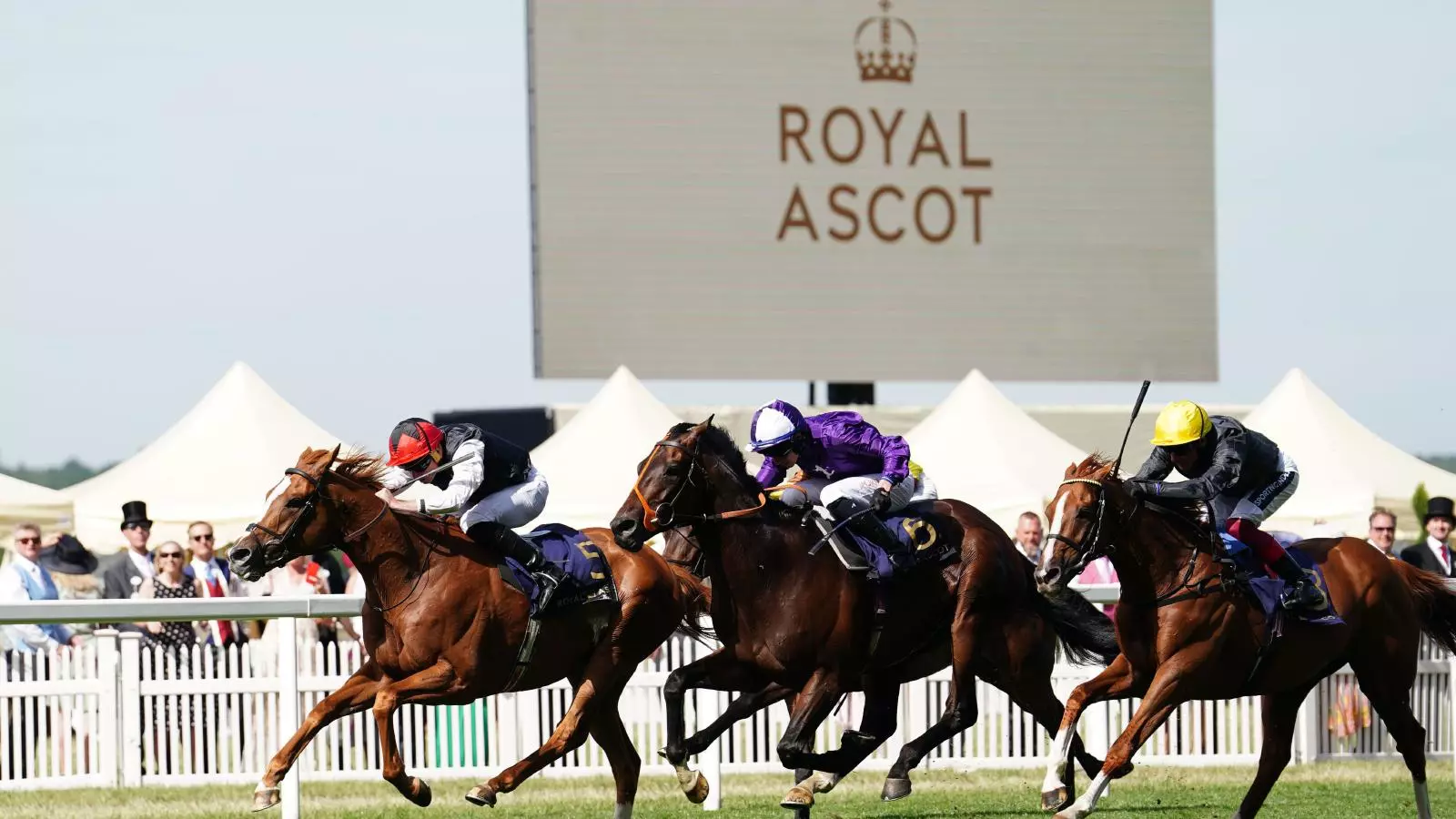

The Intriguing World of British Horse Racing: What Happens When It’s Not On?
British horse racing is a beloved sport, steeped in tradition and excitement, captivating audiences with its energy, speed, and unpredictability. But what happens when the horses aren’t racing? The absence of live sporting events offers a fascinating look into the undercurrents of this dynamic world. It’s a chance to explore British horse racing not on GamStop horse racing betting sites not on GamStop and how enthusiasts engage with the sport outside of race days.
A Historical Context
Horse racing can trace its roots back to ancient times, with the modern incarnation taking shape in the 16th century. It has evolved into a structured, regulated sport that showcases some of the best equine athletes on the planet. Racecourses such as Ascot, Newmarket, and Cheltenham are intertwined with British culture and attract thousands of fans each year. However, during off-seasons or unprecedented events like the COVID-19 pandemic, the sport’s fans find themselves in a unique position; they must navigate a blank calendar.
The Impact of Non-Racing Periods
When the racing stops, the ripple effects reach far beyond the absence of cheers and bets. Jockeys, trainers, owners, and stable staff are all affected. For many, horse racing is not just a career but a way of life. The downtime allows for reflection and planning. Jockeys may take the time to recover physically, assess their next moves, or participate in training for upcoming seasons. Trainers use this period to evaluate their horses’ performance, resting them when necessary, and strategizing for future competitions. Owners frequently engage in discussions about bloodlines and future purchases, always on the lookout for promising young horses that could one day grace the racetracks.
Betting Without Racing
For avid punters, the downtime can be challenging. Many turn to alternative betting platforms, including horse racing betting sites not on GamStop, which provide an avenue for those seeking an adrenaline rush despite the lack of live races. Many bettors look for historical data and trends to inform their next wagers, analyzing past performance metrics, jockey records, and even the weather. It’s an engaging endeavor that keeps the spirit of competition alive, even when the horses aren’t running on the track.
The Community Aspect
Beyond the races and betting, the equestrian community offers a rich tapestry of culture and shared passion. Virtual events like webinars, online forums, and social media discussions keep enthusiasts connected. These platforms serve as outlets for sharing knowledge, discussing horse care and training practices, and simply celebrating the bond between humans and horses. Racing clubs often organize community outreach events or alternative competitions like dressage, showing the versatility of equestrian sports outside the traditional racing format.
Future Breeding and Training Initiatives
The non-racing periods also present an opportunity for breeders and trainers to focus on enhancing their programs. With the demand for quality horses on the rise, breeders are increasingly attentive to the lineage and overall health of their stock. The downtime allows for conducting that crucial research and networking to ensure the best possible outcomes. Trainers may use this time to refine their training methods or invest in new technologies that enhance horse care and performance tracking. Adopting innovative approaches ensures that when racing returns, both horses and jockeys are ready to excel.
Engagement with Younger Audiences
As horse racing grapples with modernizing its image and attracting younger audiences, non-racing periods become pivotal. Engaging younger fans through educational programs, interactive content, and outreach initiatives fosters a new generation of racing aficionados. Many organizations leverage technology to bridge the gap, offering apps and websites that enhance fan experience. Virtual reality experiences and interactive platforms allow fans to immerse themselves in the world of racing, creating an emotional connection that can lead to a lifelong passion.
Conclusion: The Passion Endures
While the absence of races might dim the spotlight temporarily, the enduring passion for horse racing among fans, trainers, and investors proves that the sport is much more than just the races. It’s the community, the preparation, the excitement of potential, and the stories that keep the heart of British horse racing alive. As the world continues to evolve, so too will the ways in which we engage with this beloved sport, ensuring that whether they race or not, the legacy of British horse racing will continue to inspire and thrill.